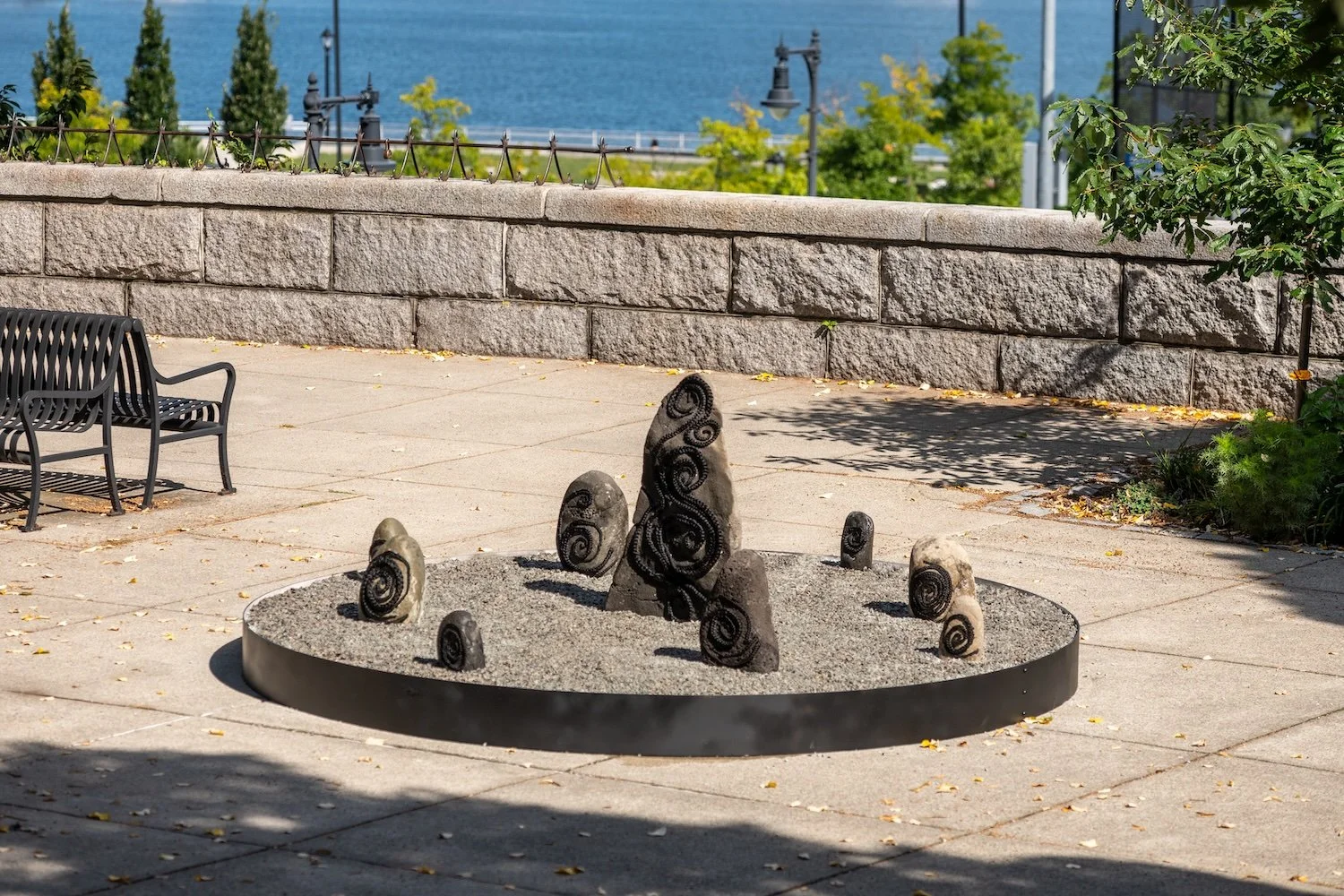
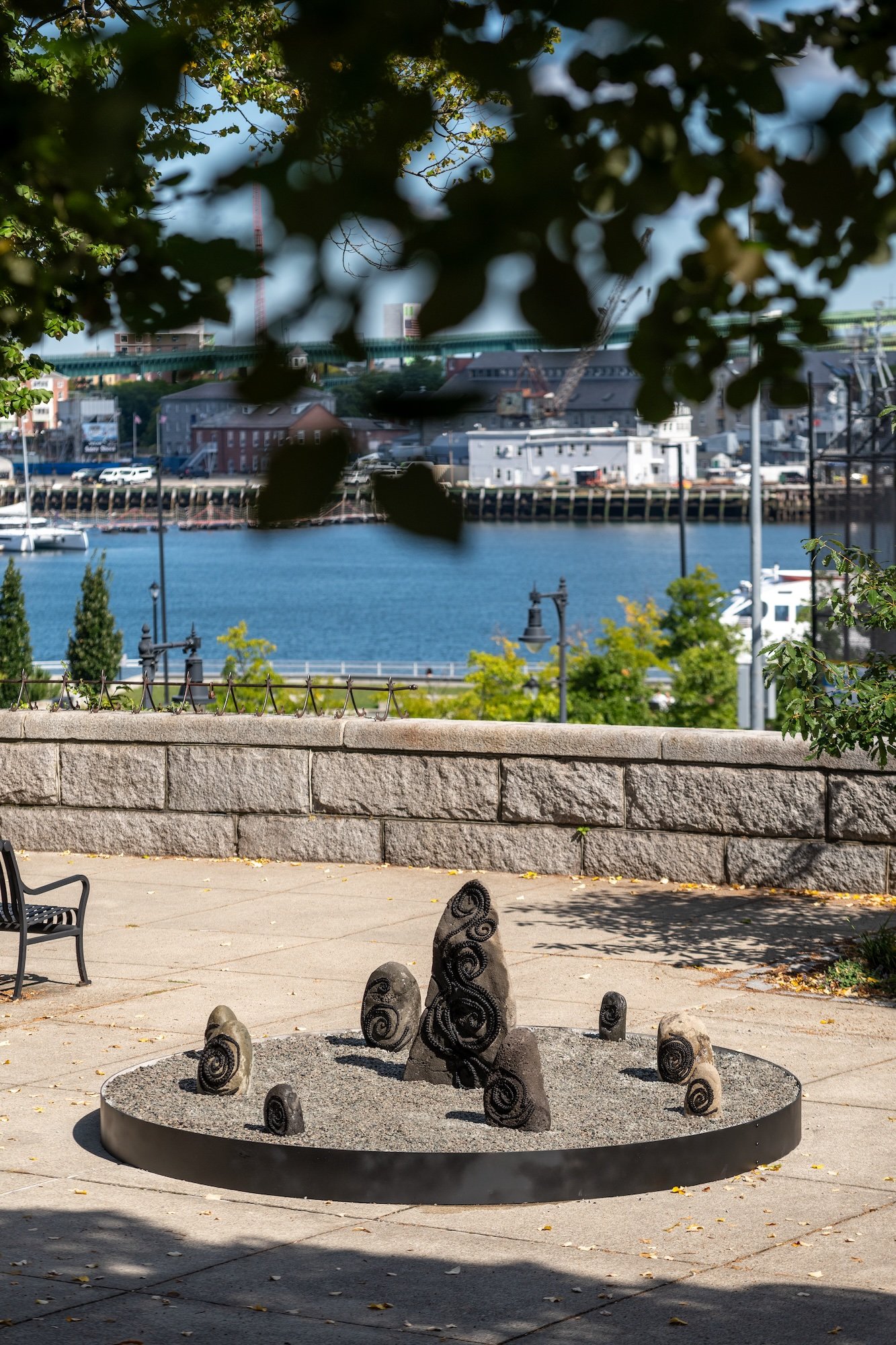
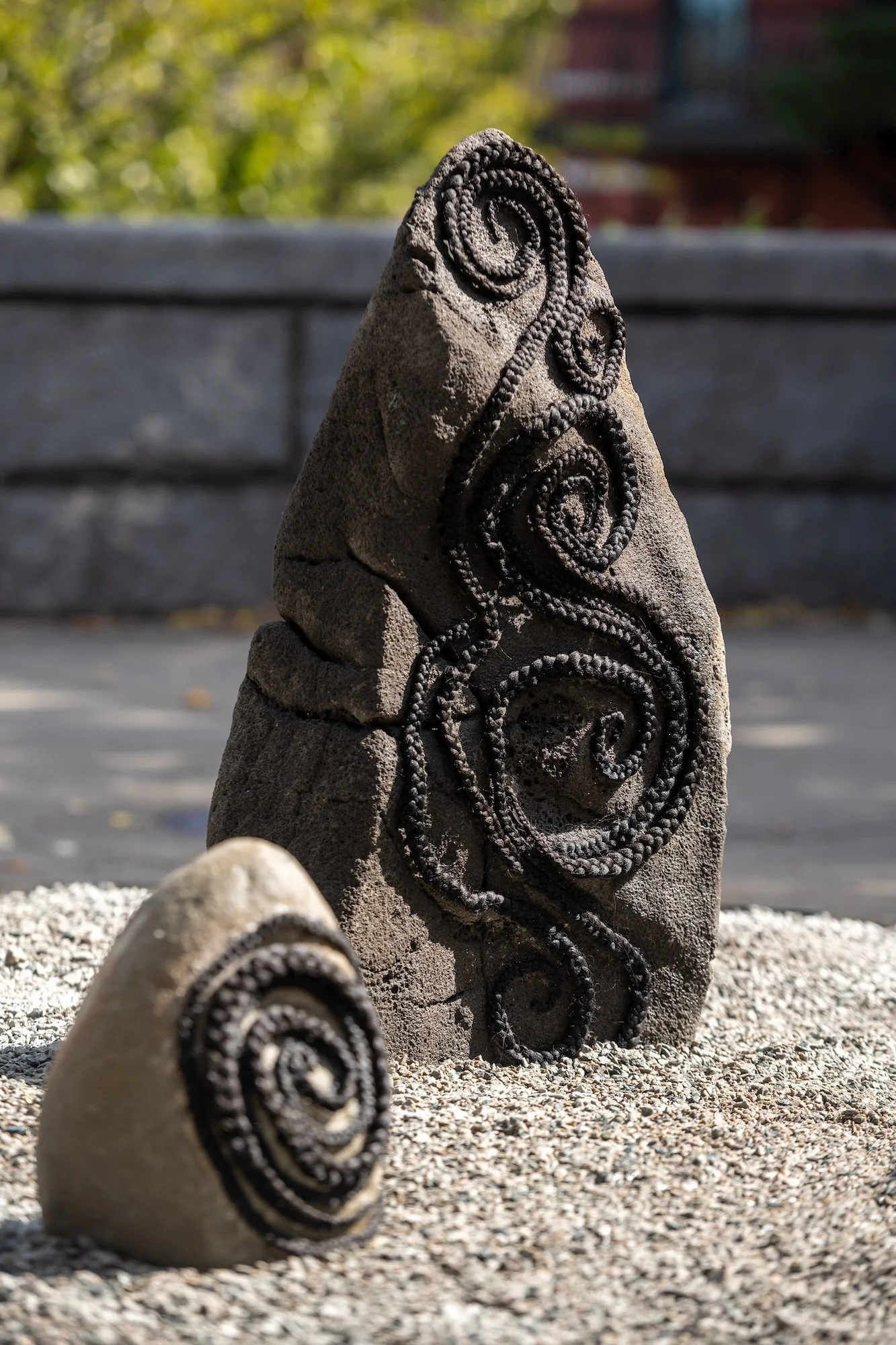
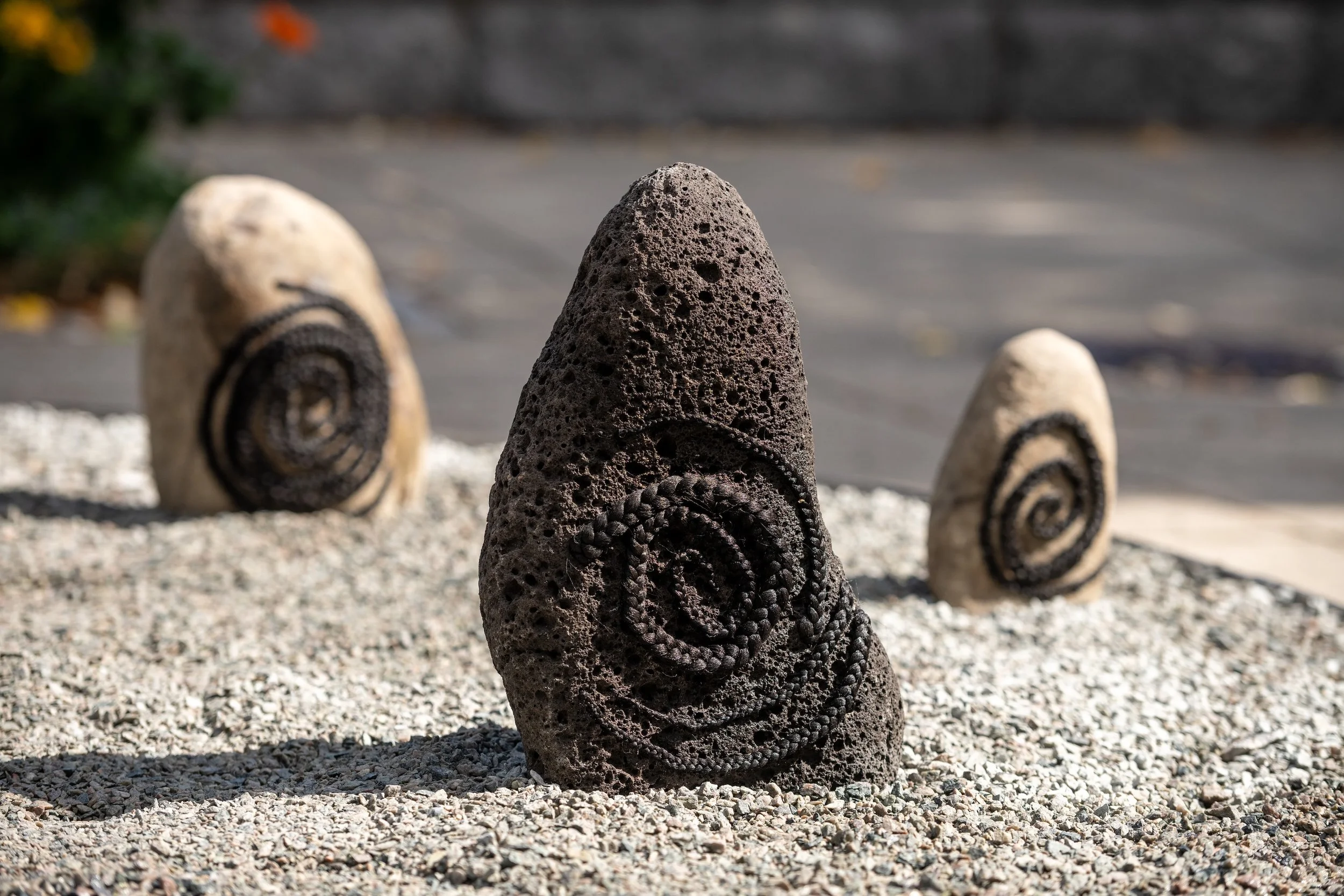
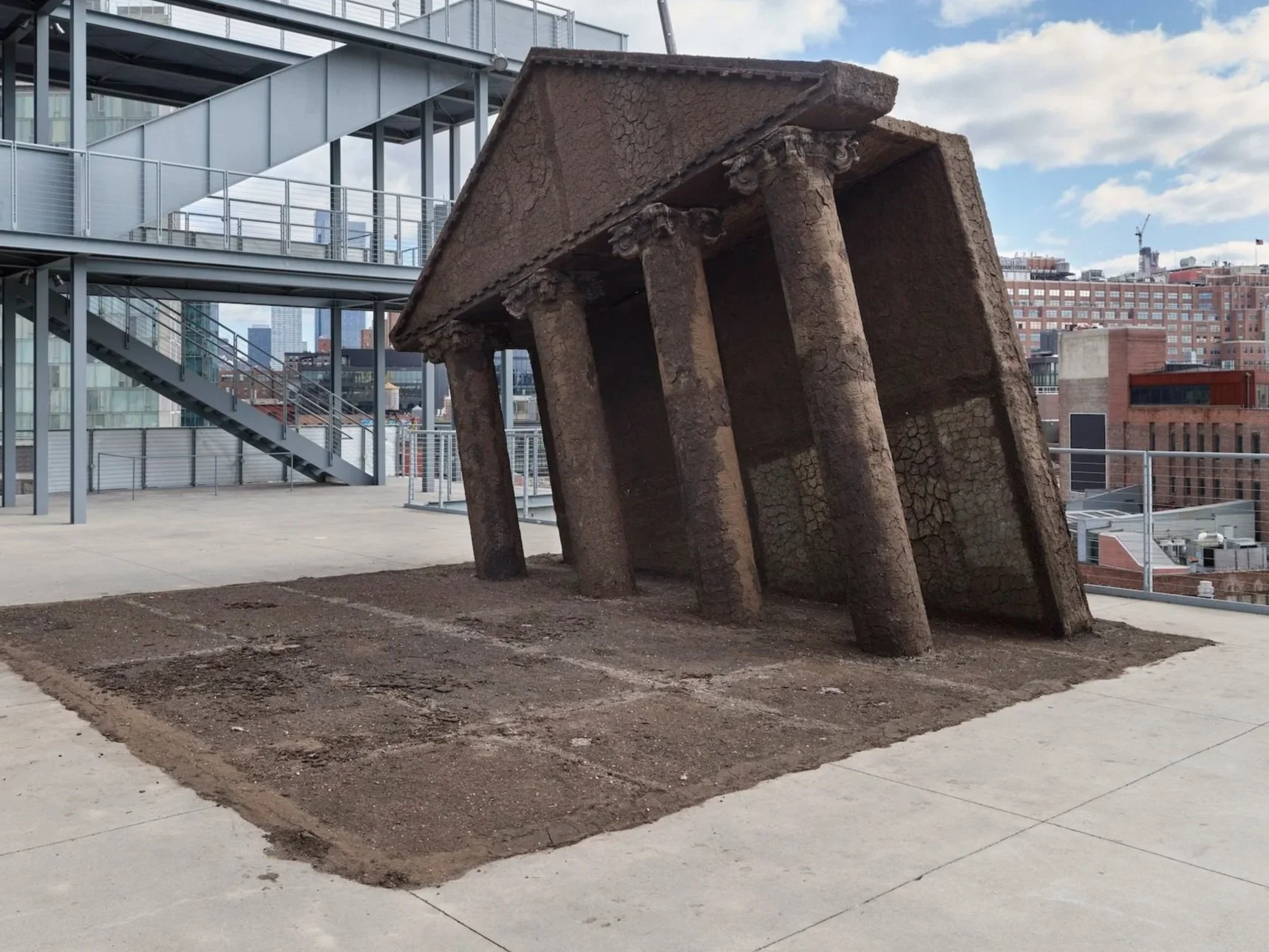
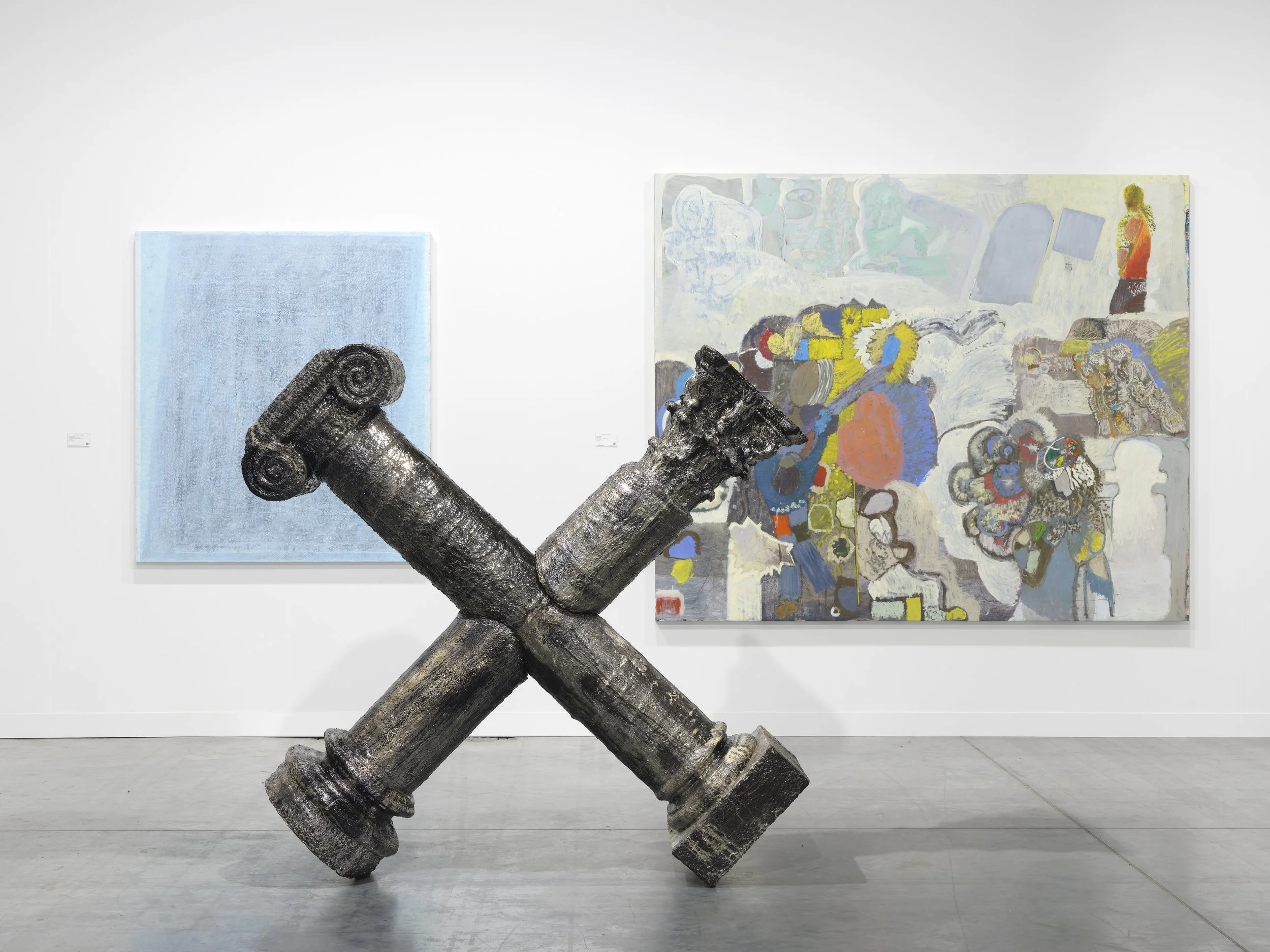
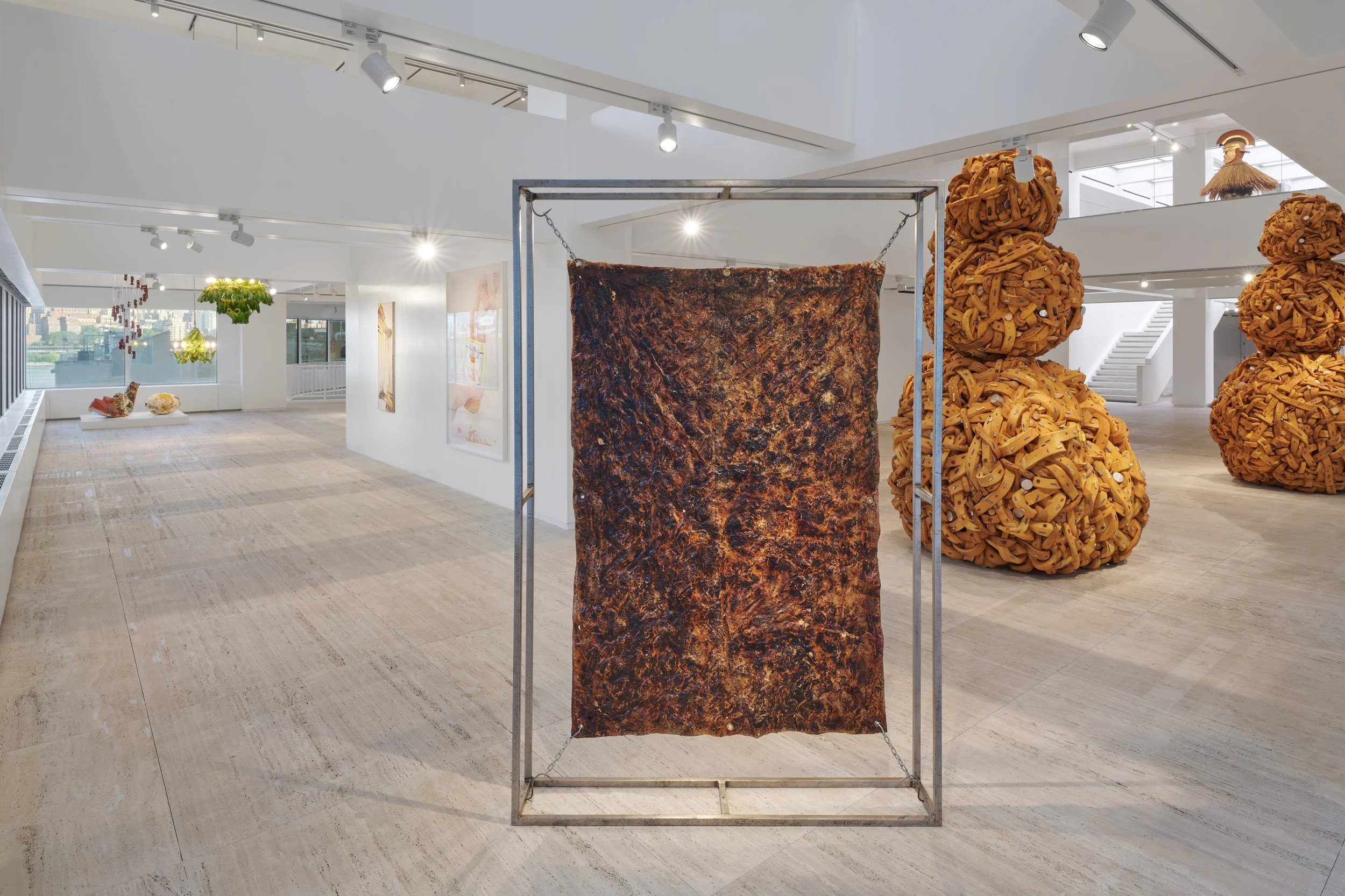
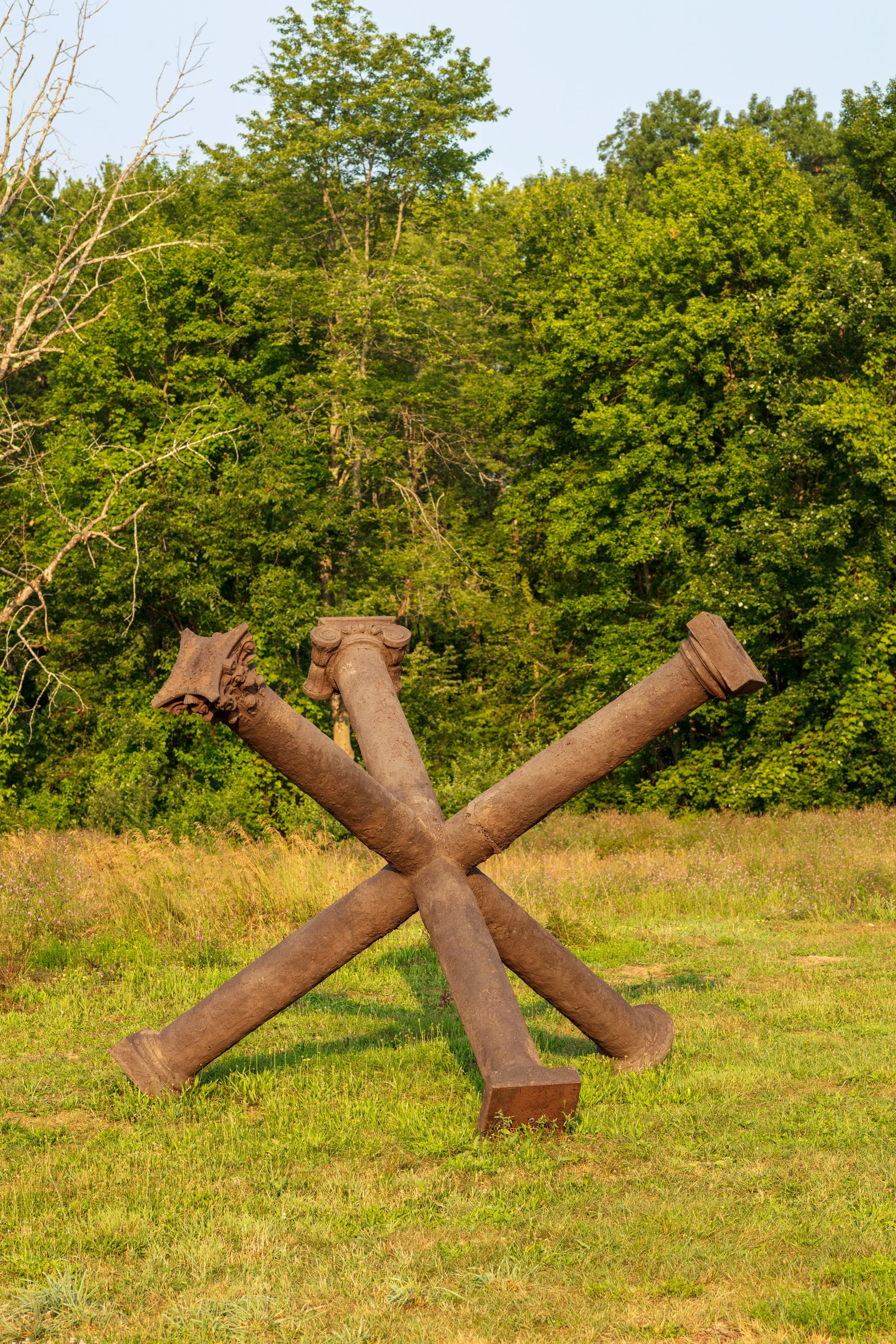
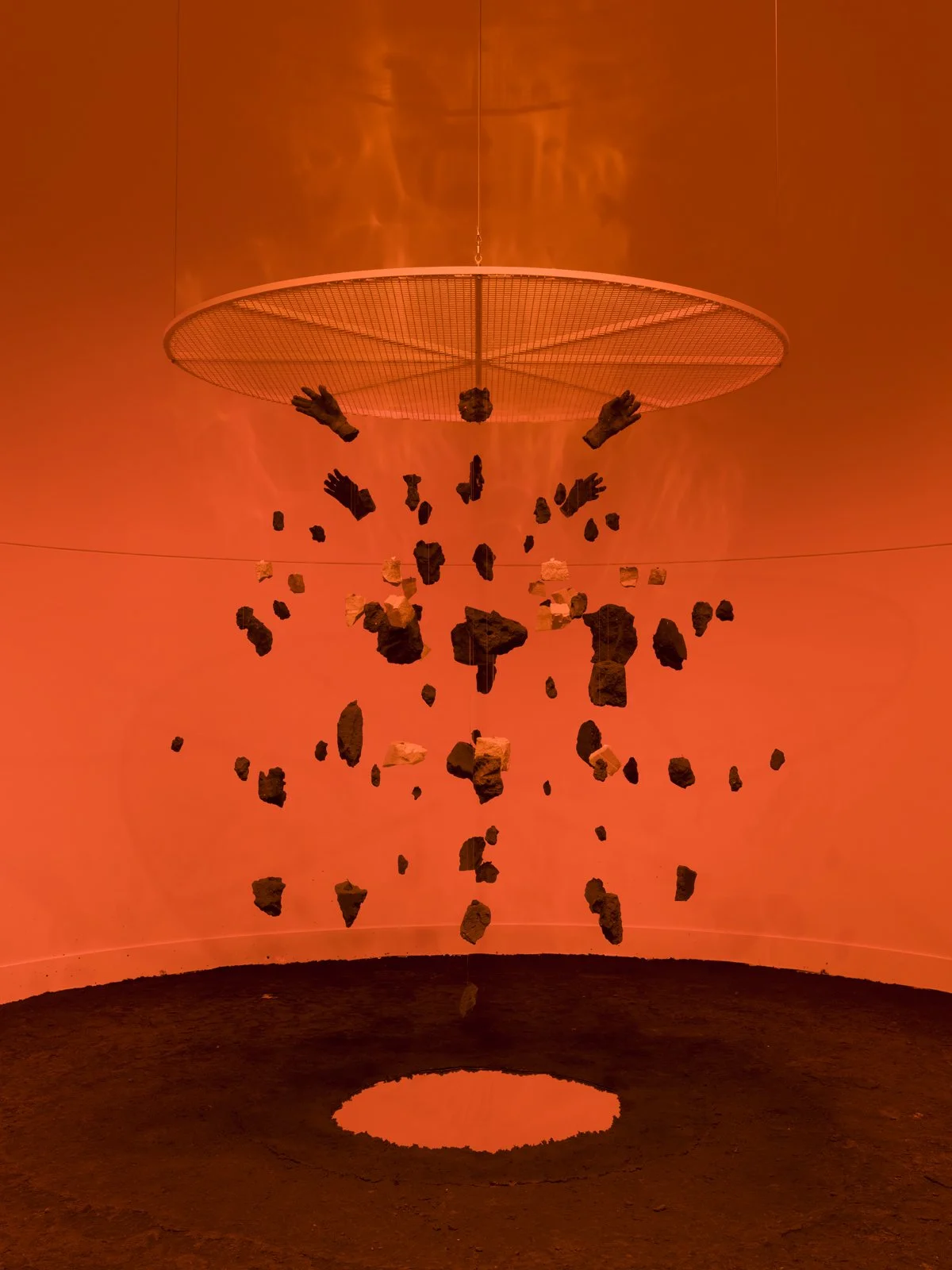
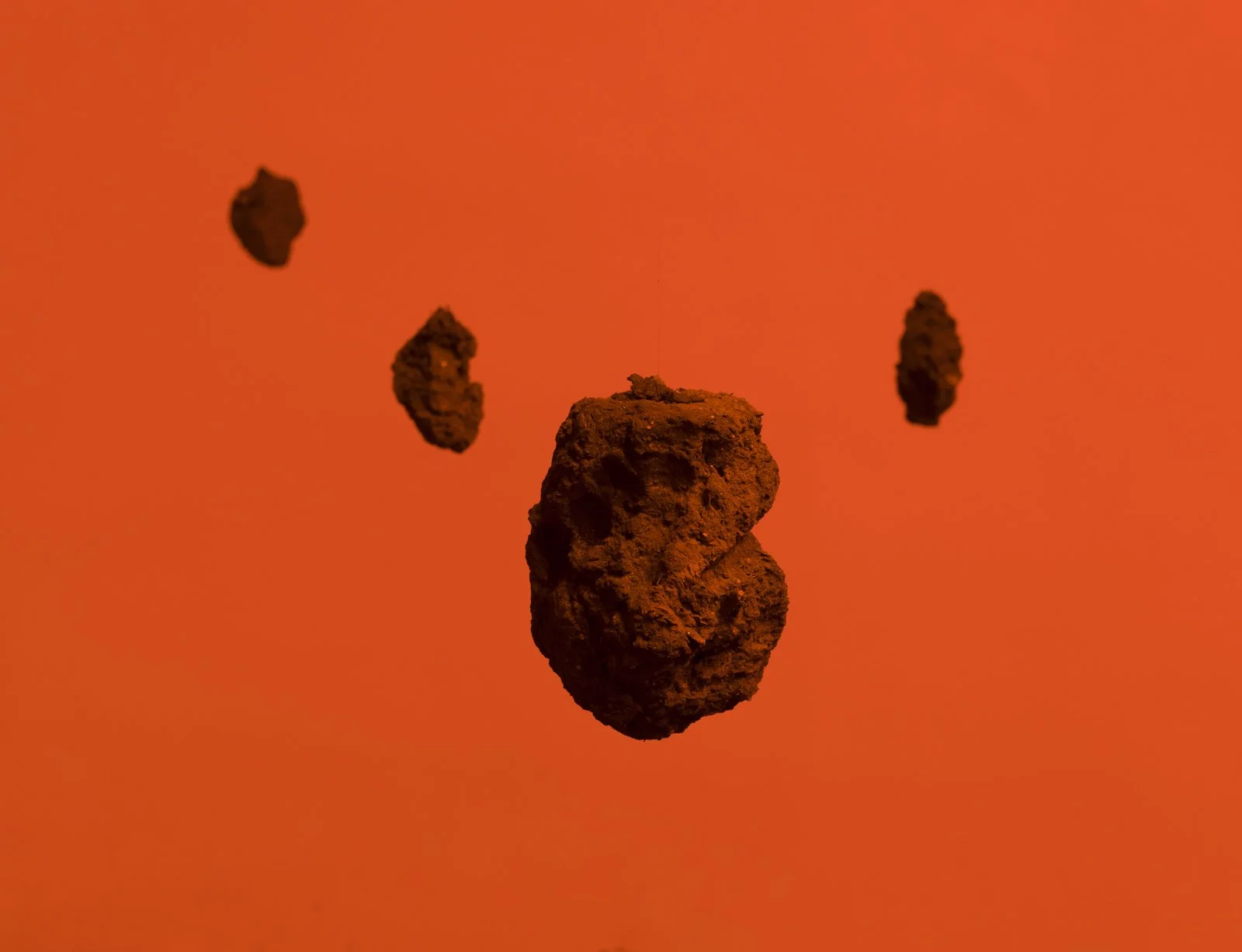
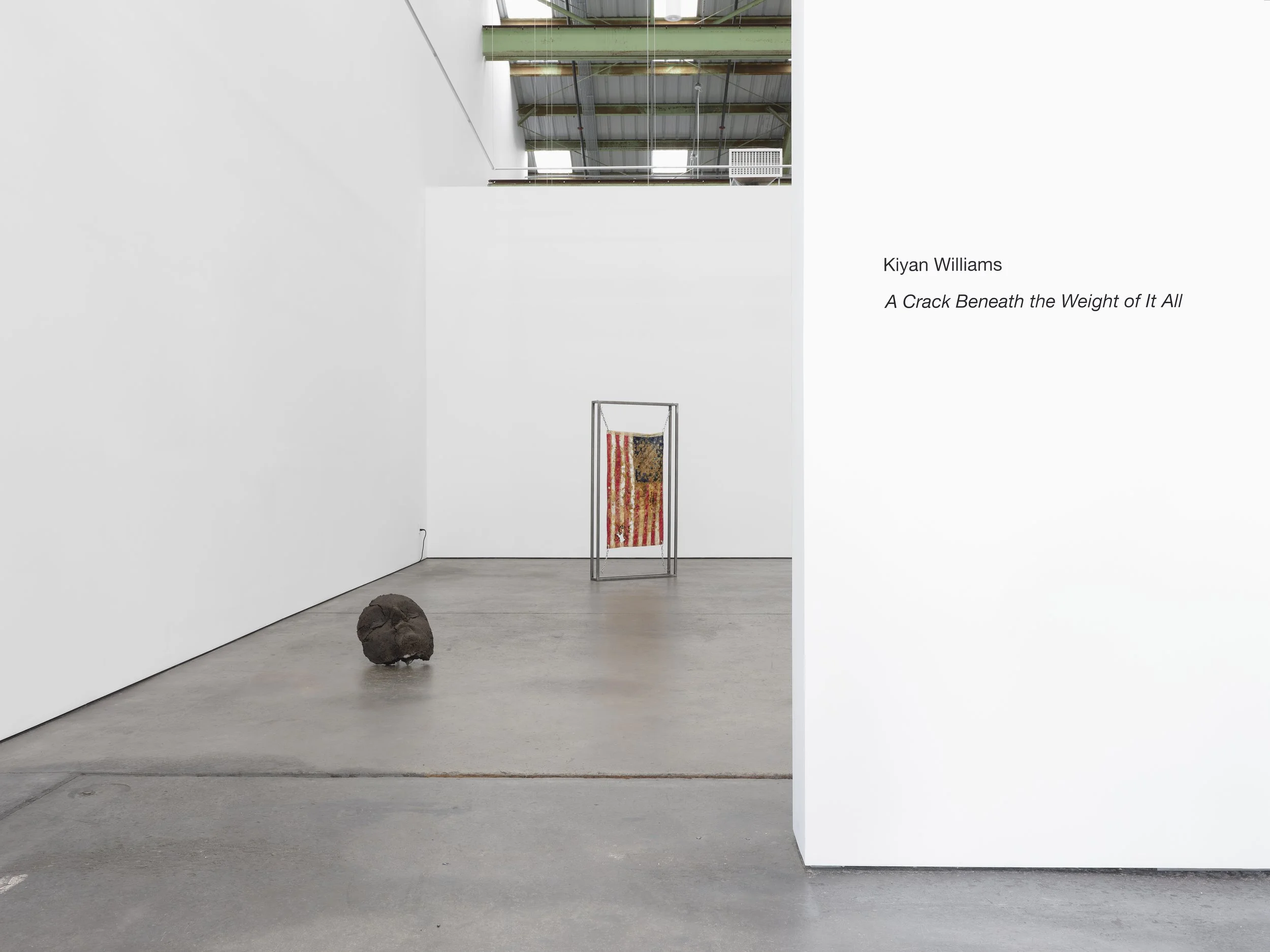
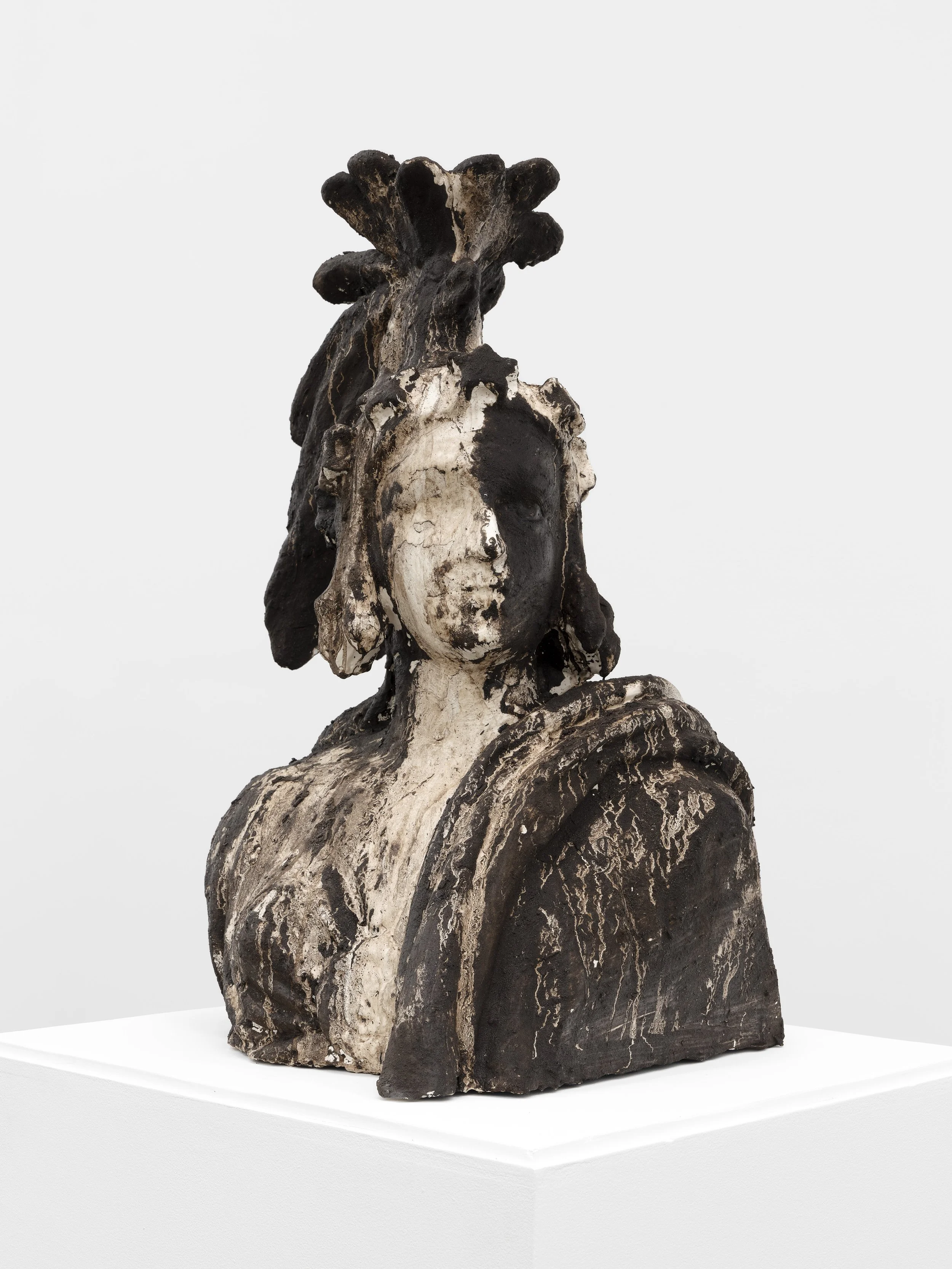
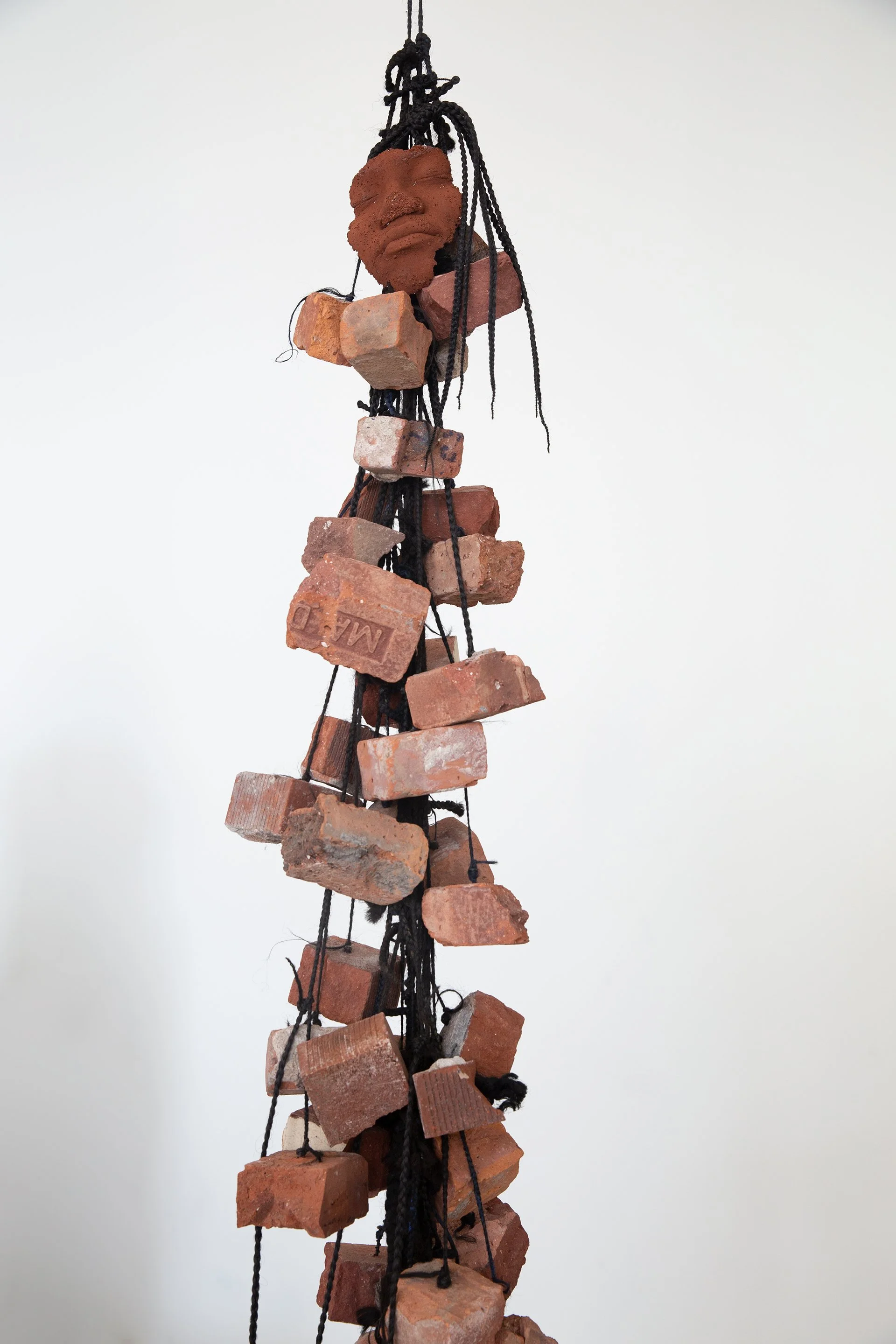
Working fluidly across sculpture, installation, performance, and interventions in public space, the artist Kiyan Williams has built a practice that traces legacies of dispossession and diasporic subjectivity embedded in the landscape and the built environment. With a sensitivity to the relationship between material and place, and informed by architecture, archaeology, and ecology, Williams’ practice attunes us to the histories that hum beneath the surface of the soil. In their elemental works, the earth and weather are both protagonists and collaborators.
Williams has been the subject of solo presentations at the Hammer Museum, the Anderson Collection at Stanford University, and Art Omi. They were included in the 2024 Whitney Biennial: Even Better Than the Real Thing. Their work has been featured in exhibitions presented by Public Art Fund, the Hirshhorn Museum and Sculpture Garden, ICA Boston, the Baltimore Museum of Art, MIT List Visual Arts Center, the Aldrich Contemporary Art Museum, and the Brooklyn Museum among numerous others. Williams is the recipient of the Jerome Hill Fellowship, the NYSCA/NYFA Artist Fellowship, the Franklin Furnace Fund, and the Graham Foundation Grant. Williams earned a BA with honors from Stanford University and an MFA from Columbia University. They live and work in New York City.
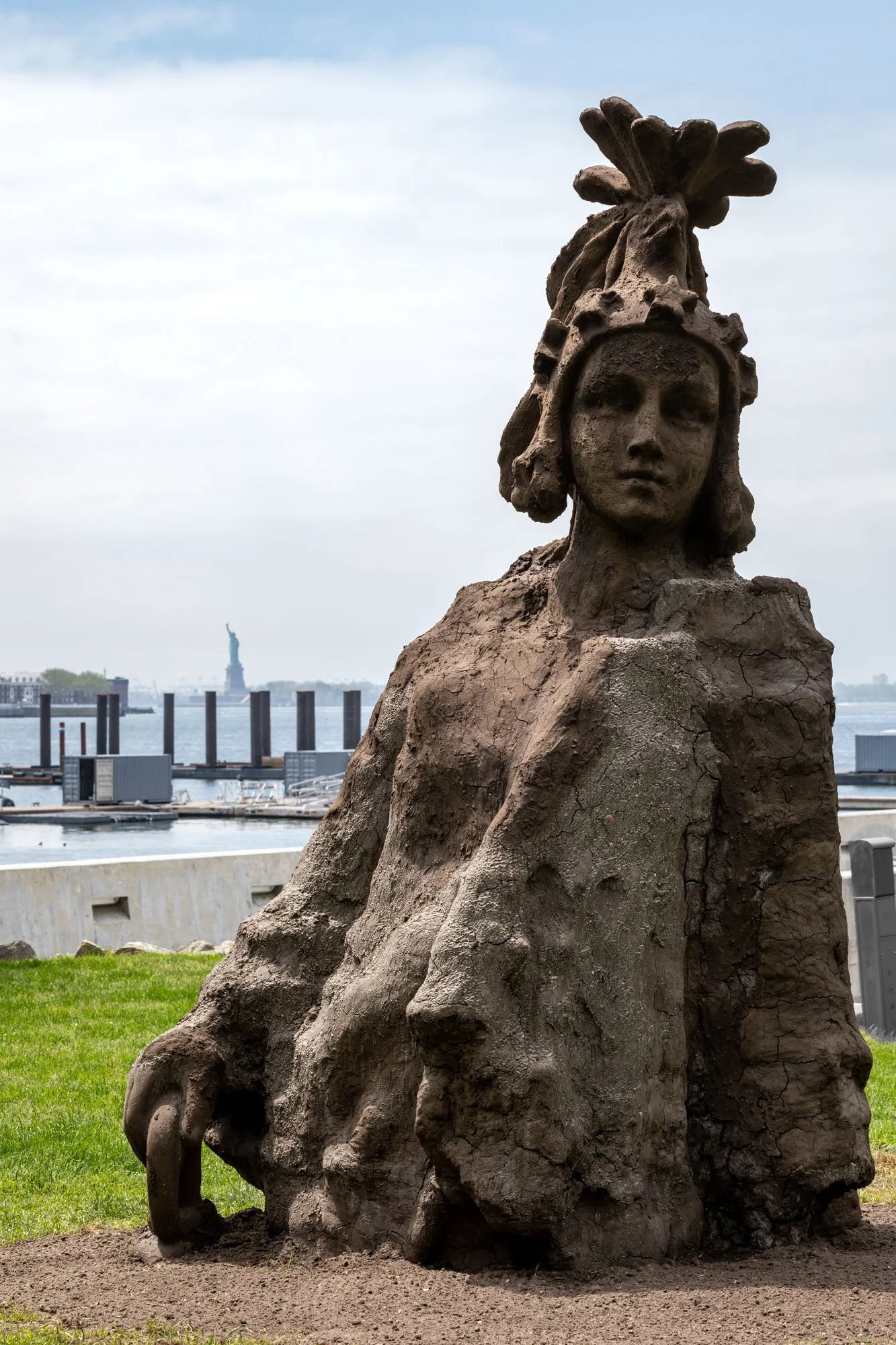
Ruins of Empire, 2022. Photo: Nicholas Knight.
“Soil, sweat, and the debris of history accumulate and converge in the cracks and crevices which live in Kiyan Williams’s work. Their multidisciplinary, antidisciplinary practice, which involves sculpture, performance, installation, and video, tends to take all matters of the Earth—its soil, its rocks, the secrets buried therein—as its point of departure to overturn the ground on which hegemony rests...Guided by the principle that the land holds immanent knowledges and intuitions, key to the survival of those who have been dispossessed from it, Williams digs for ways of knowing without invading the Earth’s right to occultism, with utter respect for the quiet tremors of all that it conceals.” - Zoë Hopkins